Some sessions give you information. This one gave you momentum.
At FitnessFest 2026, Lessons for Lasting Success didn’t look like a traditional lecture. It felt more like stepping into a living, breathing ecosystem of ideas. Twelve tables. Twelve leaders. Dozens of conversations happening at once, each one pulling back the curtain on what it actually takes to build a sustainable, evolving career in fitness.
No stage. No spotlight. Just proximity, perspective, and the kind of insights that only come from people doing the work in real time.
You didn’t just sit and listen. You chose your path.
From Assessment to Awareness
At one table, Katie Espinoza from NASM reframed the overhead squat from a checklist into a story. Movement wasn’t just mechanics. It was communication. Subtle shifts, compensations, and patterns became clues, giving coaches a clearer lens into what clients actually need beneath the surface.
A few steps away, Jeff Melis of the Exercise Therapy Association challenged one of the most common assumptions in fitness: that more stretching equals better outcomes. Instead, the conversation shifted toward precision. Assessment first. Strategy second. Results that actually stick.
Expanding Who We Serve
Not every client walks into a polished facility ready for a perfectly programmed session. Kristin Kline of Convicted Comeback drew attention to populations often left out of the conversation, prompting attendees to think more broadly about impact. Fitness, in this context, became a tool for stability, regulation, and real-life change in environments that don’t always support it.
That idea of expansion resurfaced with Dylan Hardy of AAAI Fitness, who explored how niche training isn’t about doing more for its own sake. It’s about building depth, credibility, and adaptability in a constantly shifting industry. Growth here wasn’t overwhelming. It was intentional.
Identity, Longevity, and the Bigger Picture
In a space where visibility often gets mistaken for value, Naboso’s Dr. Emily Splichal brought the focus back to alignment. Branding wasn’t about louder messaging. It was about clarity, consistency, and building trust without burning out in the process.
Zooming out even further, Sarah Kearney from the Blue Zones Project connected fitness to something much broader. Longevity, community, environment. The conversation moved beyond individual habits into how people, places, and policies shape the way we live and age.
And then came the brain. BrainSavers, Inc.’s Dr. Paul Bendheim explored the intersection of movement and cognitive health, positioning fitness professionals as key players in the fight against Alzheimer’s and dementia. This wasn’t theoretical. It was a call to step into a role that extends far beyond reps and sets.
Coaching the Whole Client
Programming took on a new level of nuance with Chuck Wolf, who broke down how to work with clients who have artificial joints. The takeaway wasn’t a limitation. It was a possibility. With the right approach, strength, mobility, and function can all be rebuilt.
At the same time, Nicole Fredrickson and Jan Hertzfeld brought dual-tasking into the spotlight, blending cognitive and physical training into a challenge that engages both brain and body. Especially for aging populations, this isn’t a bonus. It’s essential.
Then there was the core, redefined. Whitney Houlin from WeGym shifted the conversation from bracing and gripping to breathing and control. The kind of cues that change how clients feel movement instantly, not someday.
Building a Career That Lasts
Sustainability isn’t just physical. It’s professional.
Tricia Murphy Madden from FitProProgramming opened the door to new revenue streams, showing that a career in fitness doesn’t have to be confined to a schedule packed with sessions. Program design, digital content, and business development aren’t side hustles. They’re strategic expansions.
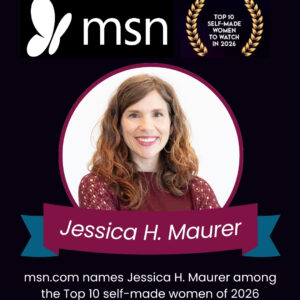
And in a rapidly evolving landscape, Jessica H. Maurer brought technology into the conversation, not as a replacement for coaching, but as an amplifier. AI, data, and digital tools aren’t the future. They’re already here. The advantage goes to the professionals who know how to integrate them without losing the human connection.
The Power of the Room
What made this session different wasn’t just the information. It was the format. Short rounds forced clarity. Small groups created access. Conversations stayed practical, grounded, and immediately applicable.
You didn’t just leave with notes. You left with direction.
And maybe that’s the real takeaway. Lasting success in this industry isn’t built from one philosophy or one path. It’s built from exposure to different perspectives, the willingness to adapt, and the ability to connect the dots between them.
At FitnessFest 2026, those dots were everywhere. You just had to sit down at the table.